The Importance of Hygiene and Sanitation in Water Filling Operations
In the bottled water industry, the purity of the product is the brand's most valuable asset. Unlike other beverages, water has no preservatives or flavorings to mask contamination, meaning the filling environment must be absolutely pristine. A high-quality water bottle filling machine is designed with "hygienic design" principles at its core. This means eliminating "dead corners" where bacteria could grow and ensuring that all surfaces in contact with the water are smooth and non-porous. The use of high-grade 316L stainless steel is standard for all fluid-contact parts, as it can withstand the aggressive chemicals used during the sterilization process without degrading or leaching minerals into the water.
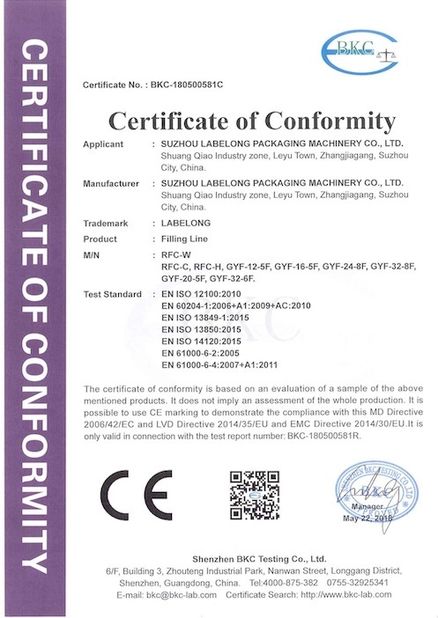
The rinsing stage is the first line of defense in the filling process. Before a bottle ever reaches the filling valve, it must be thoroughly cleaned to remove any dust or debris that might have entered during transport or storage. Modern monoblock machines incorporate an internal rinsing system that uses ozonated water or sterile air to blast the inside of the bottle. This ensures that the container is sterile at the moment of filling. Our machines are designed with high-precision nozzles that ensure every square millimeter of the bottle's interior is reached, providing peace of mind for quality control managers and ensuring compliance with global food safety standards like FDA and CE regulations.
One of the most significant advancements in beverage hygiene is the Clean-in-Place (CIP) system. CIP allows for the thorough cleaning of the entire filling circuit—from the storage tank to the filling valves—without the need for manual disassembly. The system circulates cleaning agents, sanitizers, and hot water through the pipes at high velocities to scrub away any biofilm or mineral buildup. This not only ensures a high level of sanitation but also saves hours of labor and reduces the risk of human error during the cleaning process. By automating the sanitation cycle, our water bottle filling machines maintain a consistent level of cleanliness that manual scrubbing simply cannot match.
Environmental control around the filling zone is equally important. Many of our high-speed rotary fillers are equipped with HEPA-filtered laminar flow covers. This creates a "clean zone" over the open bottles and filling valves, preventing airborne contaminants from settling in the product. Furthermore, the capping station is placed in close proximity to the filling station to ensure that the time the bottle remains open is minimized. Advanced capping systems use UV sterilization on the caps themselves before they are applied, ensuring that every component of the finished product is free from microbial life. This comprehensive approach to hygiene is what allows our clients to offer long shelf lives for their bottled water products.
Maintaining a hygienic operation also requires diligent monitoring and documentation. Modern filling machines are equipped with data logging capabilities that record the temperature and concentration of cleaning fluids used during CIP cycles. This data is essential for regulatory audits and provides a clear history of the machine’s sanitary state. We also provide specialized training for operators to ensure they understand the importance of hygiene protocols and how to properly interact with the machinery to prevent cross-contamination. By prioritizing sanitation in every aspect of our machine design, we help water producers deliver a product that consumers can trust implicitly, protecting public health and brand integrity.


 Your message must be between 20-3,000 characters!